Last reviewed: April 2026
Best Bone Conduction Headphones for Run Clubs
Hear your group, hear the traffic — the only safe headphones for group runs.
Regular headphones don't work at run clubs. You can't hear the group leader's pace call, the car coming up the side street, or the person next to you asking if you want to grab coffee after. Bone conduction and open-ear headphones solve all three problems — music goes through your cheekbones or sits outside your ear canal, leaving your ears free to hear everything else. Every experienced run-club runner owns a pair. This is the short list of what actually shows up at urban clubs in 2026, along with the trade-offs between the models. Skip if you only ever run solo — for group running, these are the correct category.
The Picks

OpenRun Pro 2
The default choice in 2026. Shokz's current flagship bone conduction — DualPitch dual-driver system with real bass, 12-hour battery, Bluetooth 5.3 multipoint, sweat resistant. The one you see on 80% of run-club heads that aren't using AirPods.
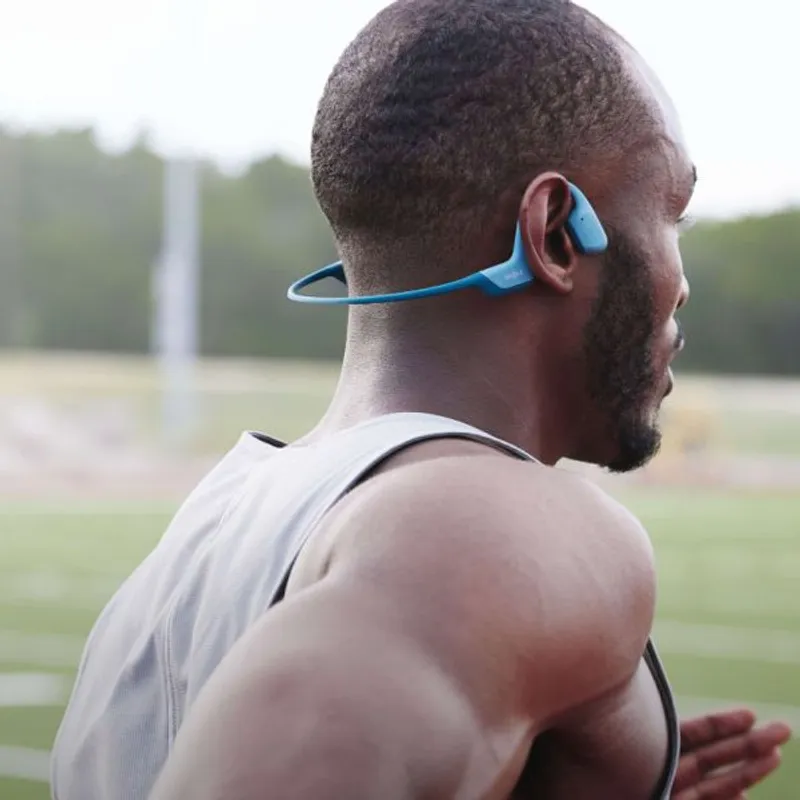
OpenRun
The value pick. Reliable bone conduction, exceptionally comfortable titanium fit, class-leading IP67 water resistance, ~10-hour battery. No air-conduction bass driver like the Pro 2, but the everyday workhorse at ~$130.
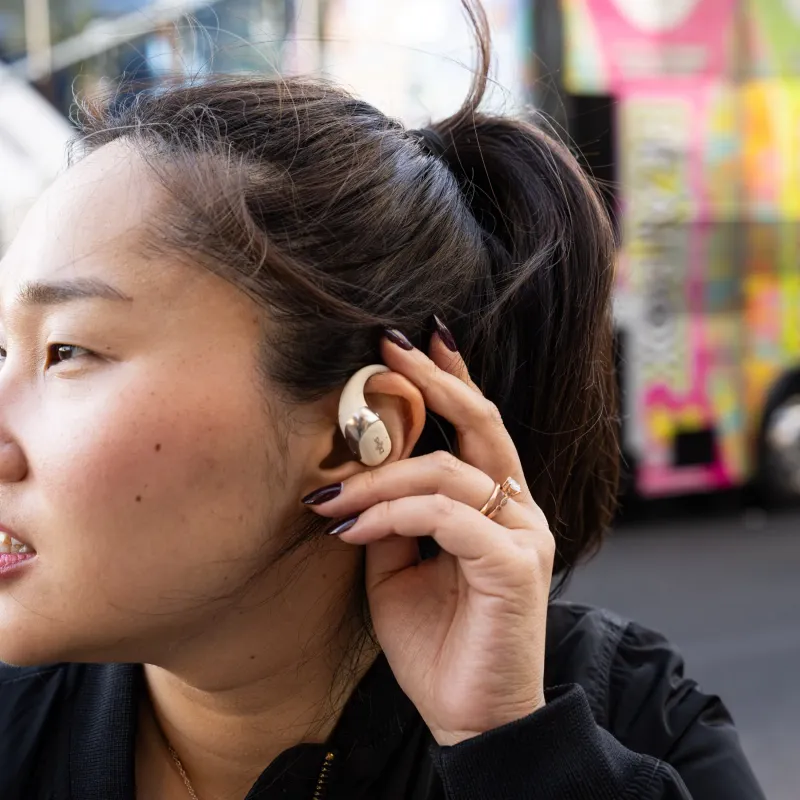
OpenFit 2
Open-ear, not bone conduction — speakers sit just outside the ear canal. Better sound quality than bone conduction, still leaves ears open to group and traffic. The fastest-rising pick at run clubs in 2026.
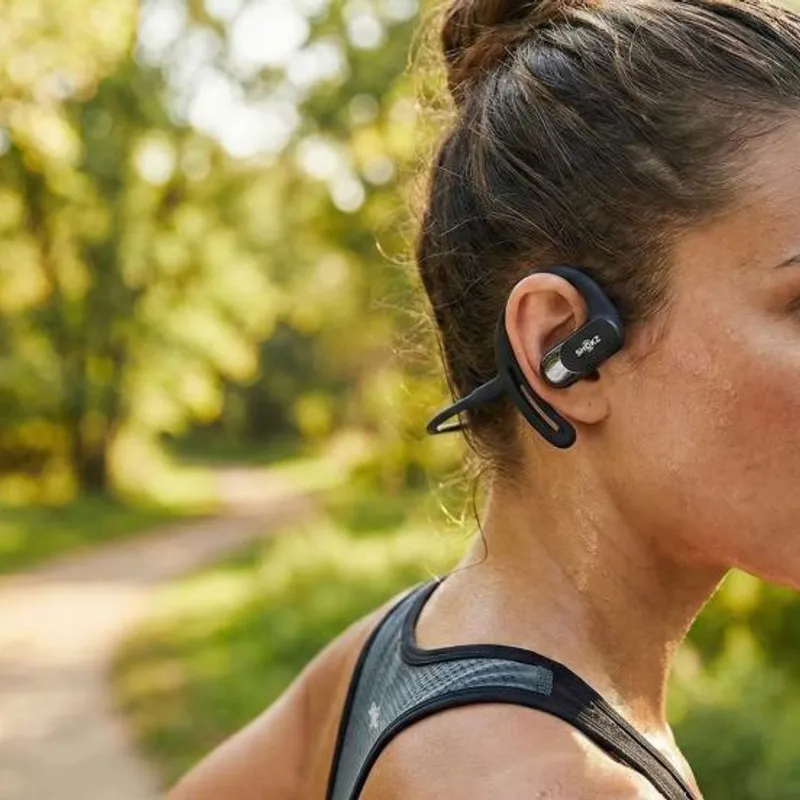
OpenFit Air
The budget open-ear pick. Same hear-everything design as the OpenFit 2 at a lower price (~$120) — speakers sit just outside the ear canal, ears stay open to the group and traffic. The easy entry point if you're not ready to spend on the OpenFit 2.
Tips
- 1.
Don't wear headphones your first run. Run Club Etiquette 101 — showing up with headphones on day one signals you're not there to meet people. Save these for your fourth or fifth session once you know the regulars.
- 2.
Volume at 50% max on group runs. You need to hear the pace caller, the traffic, and the person talking to you. Bone conduction leaks sound at high volume, which is annoying for the group.
- 3.
Bone conduction = safer in traffic. Standard earbuds block 60% of ambient sound even with transparency mode on. Bone conduction blocks 0%. This matters more than you think on city streets.
- 4.
Open-ear (OpenFit 2) has better sound than bone conduction, but bone conduction is more secure on sprints and in rain. Pick based on the runs you actually do — intervals on the track = open-ear, rainy urban miles = bone conduction.
Looking for a run club to try out your new gear? Browse run clubs by city or search all clubs.