Last reviewed: April 2026
Best Running Shoes for Beginners
The only shoe guide you need before joining a run club.
Picking your first proper pair of running shoes doesn't need to be complicated. Ignore the noise about drop, stack height, and carbon plates — that stuff is for competitive racers. For your first run club, you need three things: a shoe that fits well, cushions adequately, and won't fall apart in three months. These four shoes tick all those boxes. They're the ones you'll see most often at social run clubs, chosen by runners who actually use them — not by lab tests.
The Picks
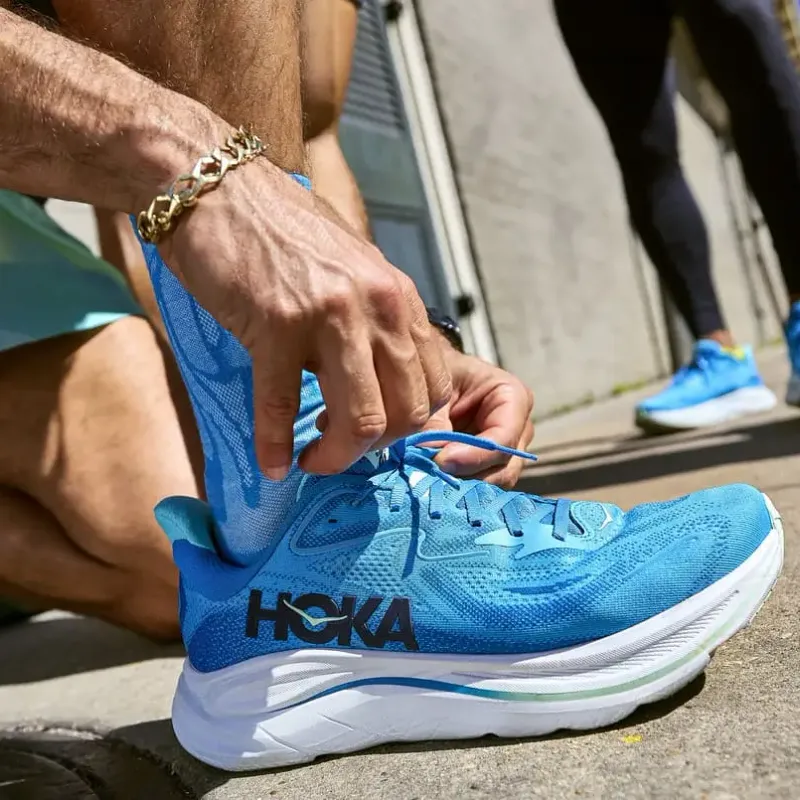
Clifton 10
The best all-round beginner shoe on the market right now. Exceptional cushioning absorbs impact on hard city pavement, the wide base makes it stable, and it looks great off the run too. First choice for new runners.
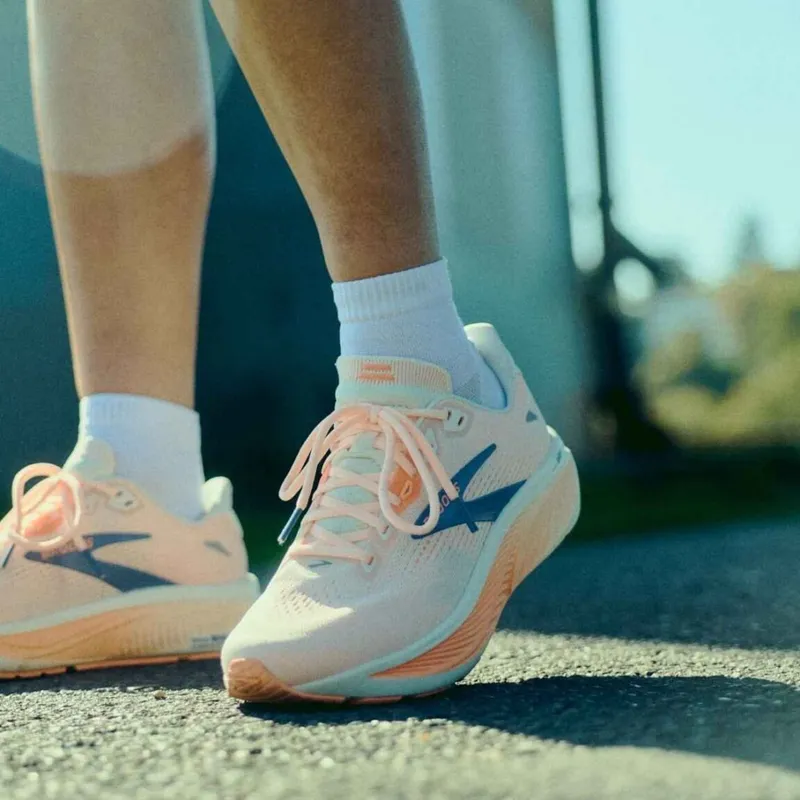
Ghost 18
Brooks Ghost has been the top-selling running shoe in the US for years — for good reason. The Ghost 18 stays consistent, forgiving, and built for high mileage. A safe, comfortable first pair that suits almost any foot.
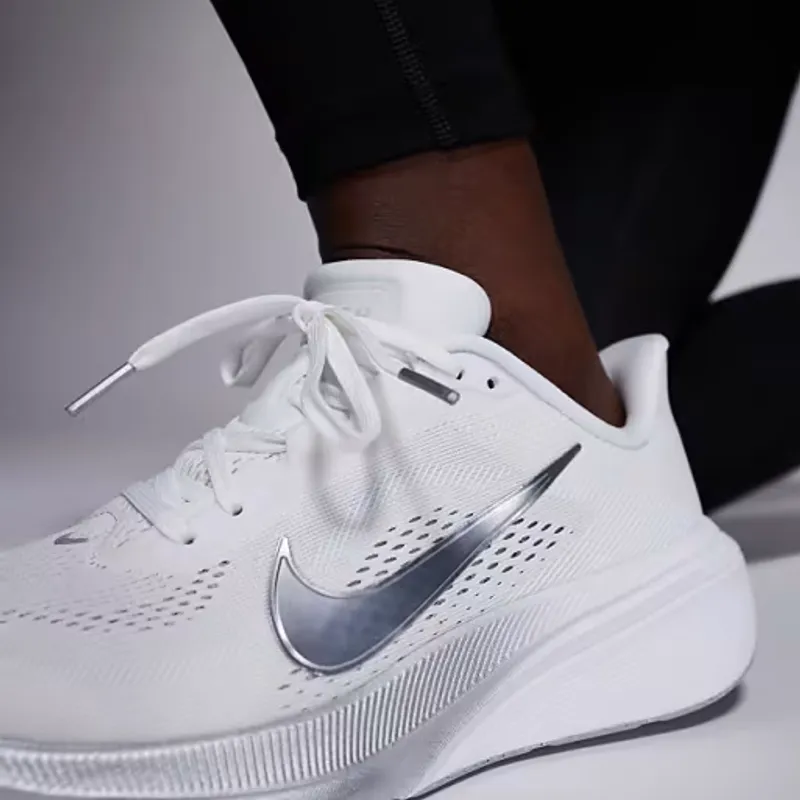
Pegasus 42
The most recognisable everyday trainer in the world. The Pegasus 42 is not the most innovative shoe on this list, but it's reliable, widely available, and easy to get in any size. Good for shorter distances.
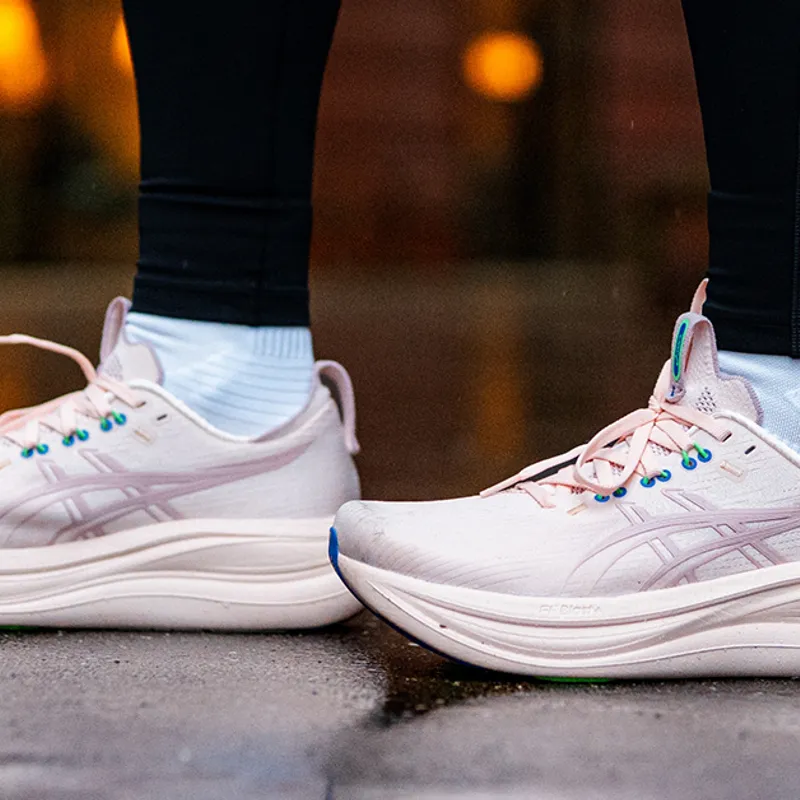
Gel-Nimbus 28
ASICS's flagship cushioned trainer. Particularly good for runners who overpronate slightly or have wider feet. The Nimbus 28 is a tried-and-tested choice that won't surprise you — in the best way.
Tips
- 1.
Buy your running shoes half a size larger than your normal shoes. Your feet swell during runs — too-tight shoes cause black toenails.
- 2.
Go to a running store and get your gait analysed before buying online. It's free, takes 10 minutes, and tells you whether you need a neutral or stability shoe.
- 3.
Replace your shoes every 500–800km (300–500 miles). Worn-out cushioning is the #1 cause of shin splints and knee pain in new runners.
- 4.
Don't run your first run club in brand new shoes straight out of the box. Wear them on a few short runs first to break them in.
Looking for a run club to try out your new gear? Browse run clubs by city or search all clubs.