Last reviewed: April 2026
Best Running Shoes for City Run Clubs
Concrete, traffic lights, sharp corners. The shoes built for urban running.
City running is different. Pavement is harder than tarmac or trail. You stop and start at crossings. You corner sharp around lampposts and tourists. Your shoes need more cushioning, more grip, and more durability than they'd need on a park loop. Generic 'best running shoes' guides don't factor any of this in. This guide is specifically for the run-club member who trains on city streets — NYC to Paris to Tokyo — and needs shoes that survive concrete. Every pick below is common at urban run clubs and tested on the kind of surfaces most runners actually run on.
The Picks
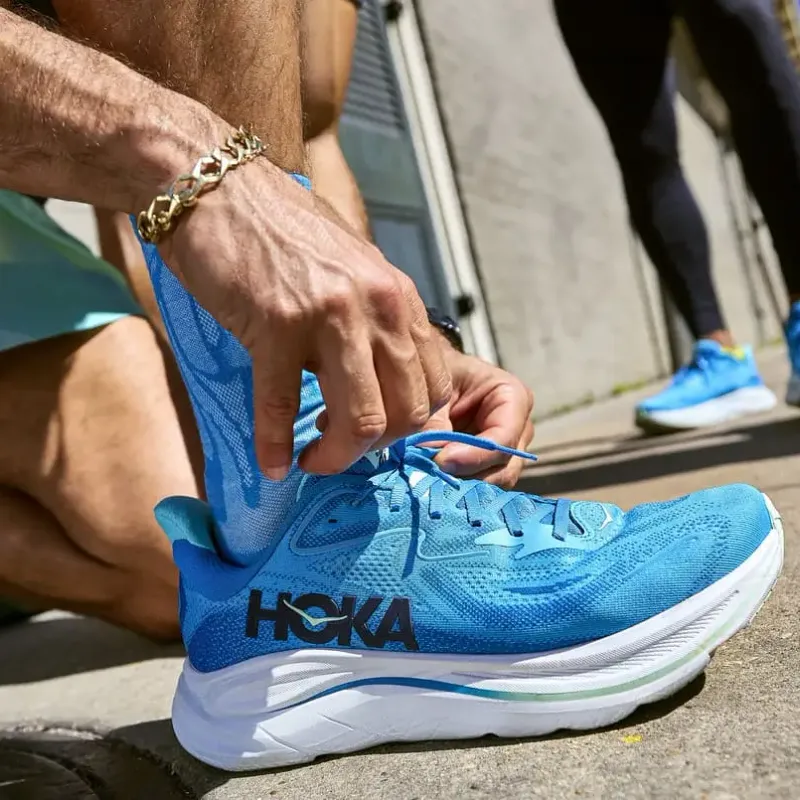
Clifton 10
The king of city running. Maximum cushioning absorbs concrete impact. Wide base stabilises on sharp corners. The #1 choice at urban run clubs because it works on the surfaces urban runners actually use.
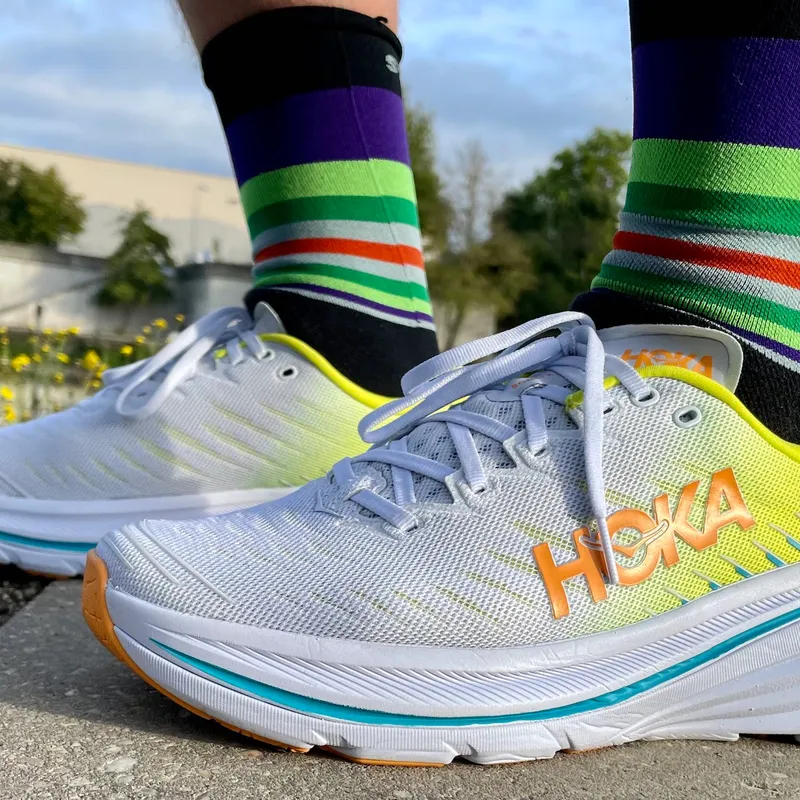
Bondi 10
HOKA's max-cushion city shoe. Even more cushioning than the Clifton — feels like running on pillows. Preferred by runners with knee issues from years of pavement pounding.
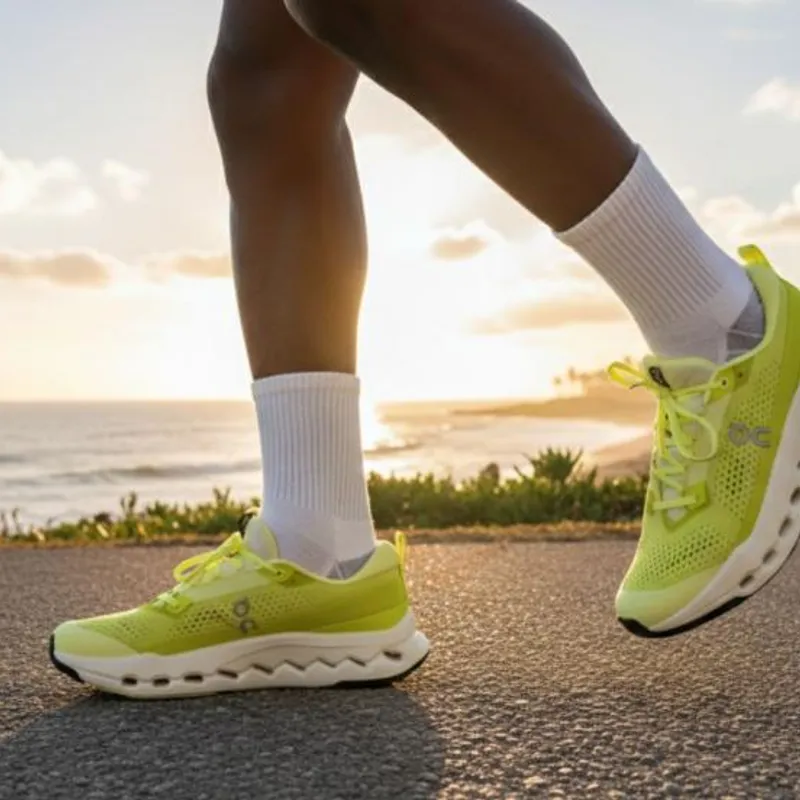
Cloudsurfer 2
On's best all-rounder for city pavement. The CloudTec sole compresses unevenly on concrete — some love it, some don't. Try before buying if possible. Lighter than HOKA and looks better.
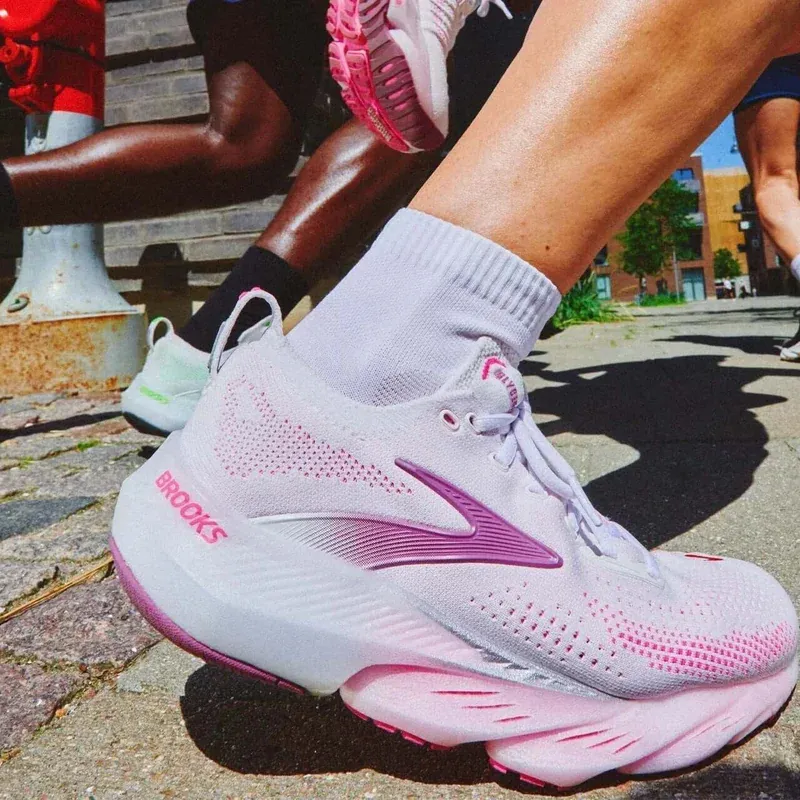
Glycerin 23
Brooks's max-cushion city shoe, a reliable Clifton alternative. Slightly more structured than HOKA, good for runners who want cushioning without the sinking feeling.
Tips
- 1.
City pavement destroys shoes 20-30% faster than tarmac. If you run 30km a week on concrete, budget for new trainers every 4-5 months, not 6.
- 2.
Maximum cushioning beats lightweight for city running. You're not racing — you're absorbing repeated concrete impact over 5-10km. Save the light shoes for race day.
- 3.
Rotate two pairs if you run 4+ times a week on city streets. Alternating trainers gives each pair 48 hours to decompress and extends both their lifespans.
- 4.
Wet pavement is slippery. Avoid shoes with smooth outsoles for urban running — the Clifton 10, Bondi 10, and Cloudsurfer 2 all have adequate grip. Racing flats (Vaporfly, Adios Pro) do not.
Looking for a run club to try out your new gear? Browse run clubs by city or search all clubs.